



Head
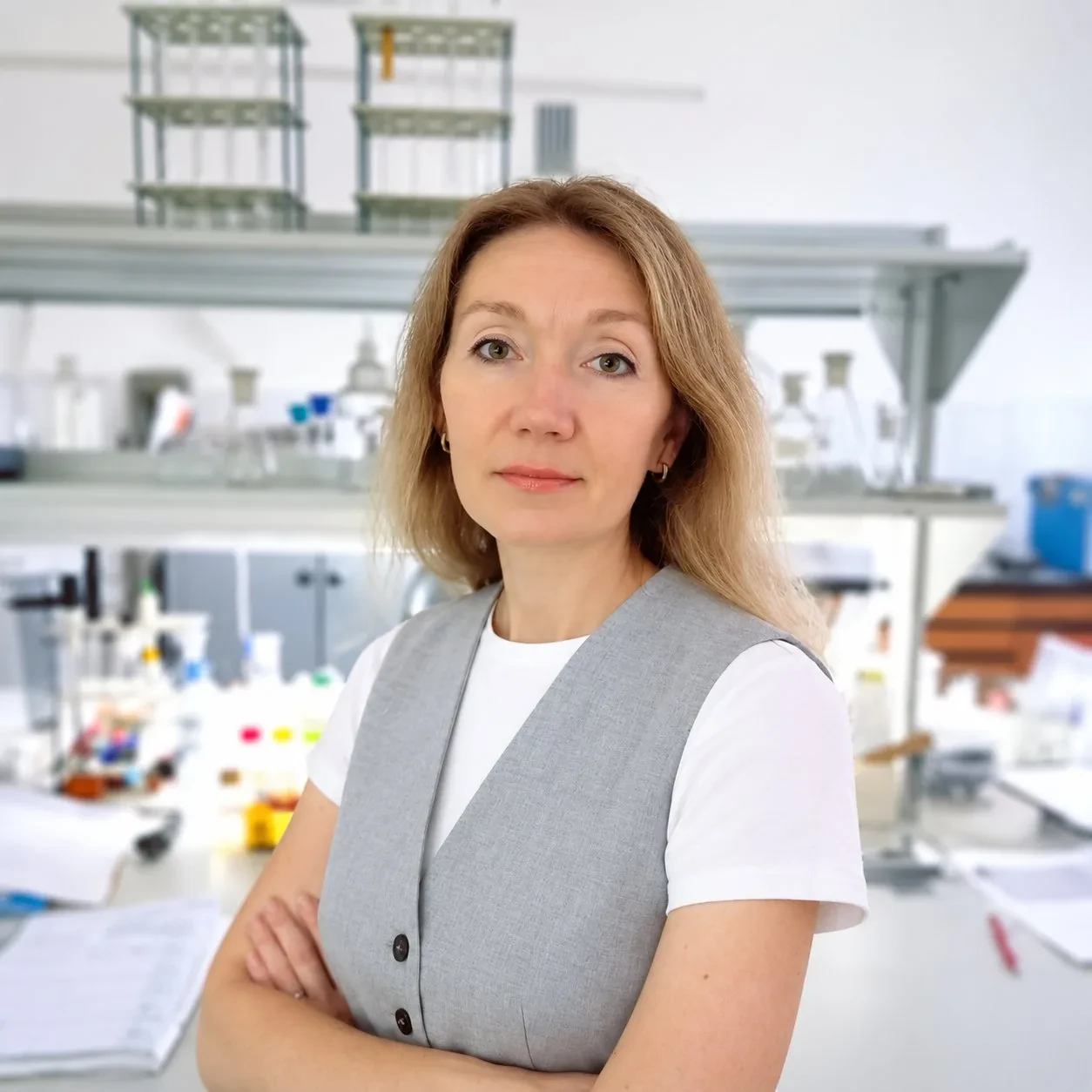
Olesia Tsurkan
Head of Laboratory
Candidate of Agricultural Sciences
History
The laboratory has existed since 2025 and was established on the basis of two laboratories:
- the Laboratory of Analytical Chemistry of Pesticides, which was founded in 1956. Its first head was the leading scientist in the field of analytical chemistry of pesticides, Doctor of Chemical Sciences Ye.S. Kosmatyі. At various times, the laboratory was headed by Doctor of Agricultural Sciences V.M. Kavetskyi, Doctor of Agricultural Sciences, Professor L.I. Bublyk, and Candidate of Agricultural Sciences T.P. Panchenko;
- the Laboratory of Toxicology, which was founded simultaneously with the establishment of the institute (1946). Its first head was Academician V.P. Pospelov. In subsequent years, the laboratory was headed by Doctor of Agricultural Sciences, Professor M.P. Sekun, and Candidates of Agricultural Sciences L.M. Lyutko and O.G. Vlasova.
Team
Team of the laboratory
Tetiana Panchenko
Leading Researcher
Candidate of Agricultural Sciences
Larysa Cherviakova
Leading Researcher
Candidate of Agricultural Sciences
Olha Vlasova
Leading Researcher
Candidate of Agricultural Sciences
Mariia Zatserkliana
Research Fellow
Research areas
Main areas of research
Analytical Chemistry of Pesticides
Head – Olesia V. Tsurkan, e-mail: lac_ipp@ukr.net
- creation of a database on the properties of pesticide active substances based on an integral indicator;
- development of algorithms and procedures for the systematic analysis of pesticides in matrices;
- establishment of a methodological framework for the determination of multiple pesticide residues (quantitative multi-residue method) to ensure effective ecotoxicological monitoring;
- development of innovative products for the multi-residue determination of active substances in matrices;
- creation of a dynamic database of ecotoxicological criteria for assessing the potential environmental hazard of pesticides, their predictive screening in agrocenoses, and the improvement of existing plant protection strategies against harmful organisms.
Practical Developments
Learn more
- Algorithm for chemical and analytical monitoring of pesticides (https://doi.org/10.36495/UDC631.95alhorytm/IZR2020).
- Practical guidelines for the multi-quantitative determination of pesticides in matrices (DOI: 10.36495/controlseed.IZR.2026).
- Methodology for the control of pesticides and their combinations (stone fruit crops) (https://doi.org/10.36495/control.IZR.2025).
- Methodological guidelines for the determination of glyphosate in herbicide and desiccant formulations (https://doi.org/10.36495/hlifosat.IZR.2022).
- Methodological guidelines for the determination of imidacloprid, clothianidin, prothioconazole, and tebuconazole in treated seeds and seed treatment formulations (https://doi.org/10.36495/imidaklopryd.IZR.2021).
- Methodological guidelines for the determination of flutriafol and thiabendazole in treated cereal seeds (wheat, barley, rye, oats, rice) (https://doi.org/10.36495/UDC631.95flutriafol/IZR2020).
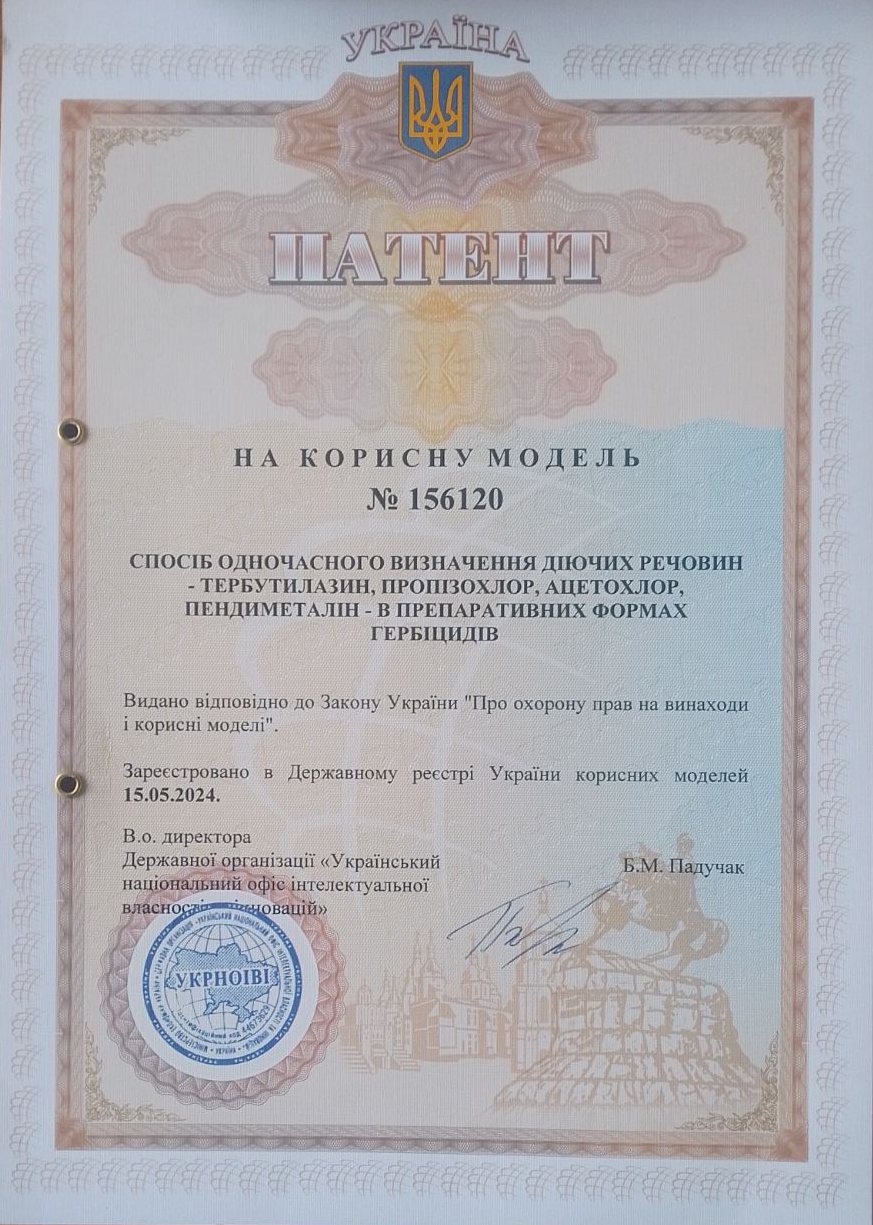
- Method for the simultaneous determination of active substances terbuthylazine, propisochlor, acetochlor, and pendimethalin in herbicide formulations (Utility Model Patent No. 156120).
- Method for the simultaneous determination of active substances 2,4-D and dicamba in herbicide formulations (Utility Model Patent No. 156020).
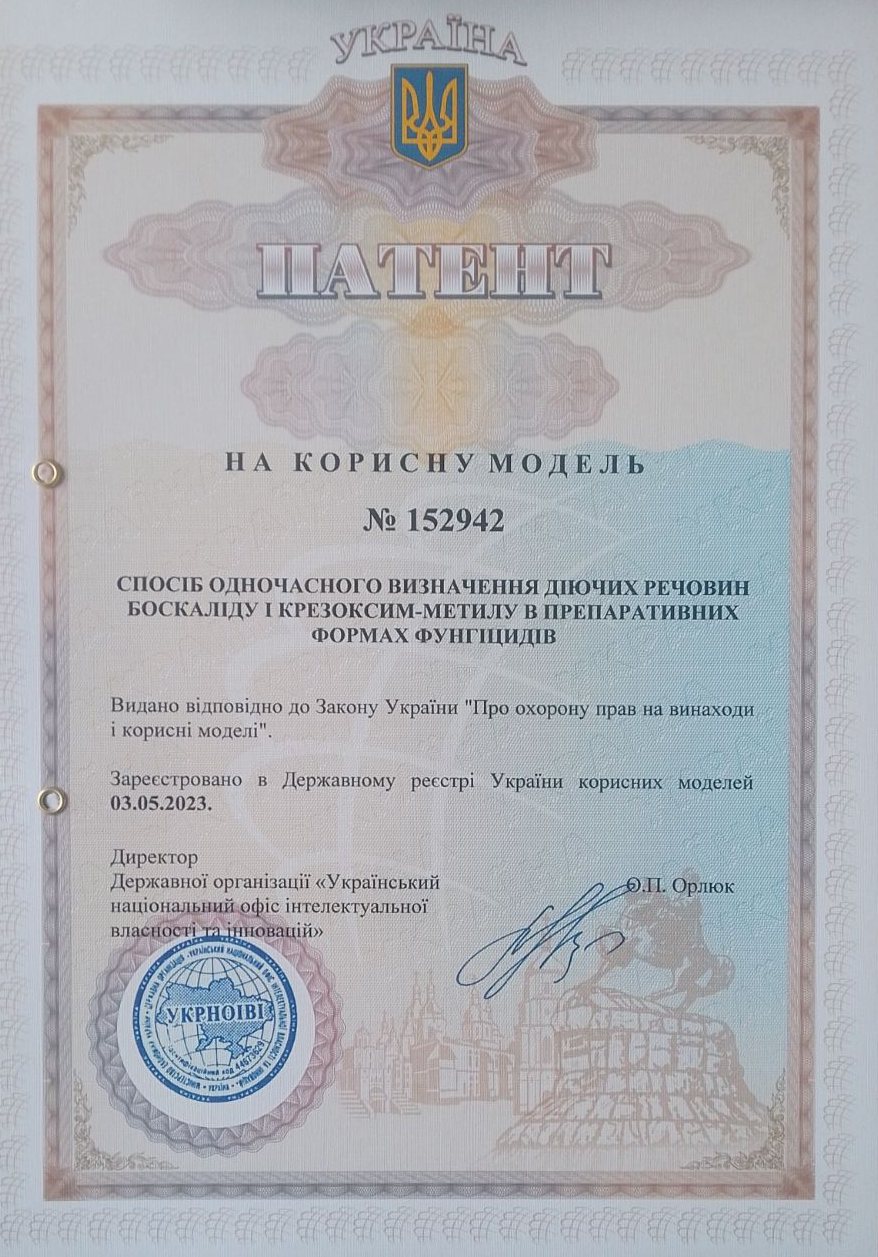
- Method for the simultaneous determination of active substances boscalid and kresoxim-methyl in fungicide formulations (Utility Model Patent No. 152942)
- Method for the simultaneous determination of active substances quizalofop-P-ethyl and clethodim in herbicide formulations (Utility Model Patent No. 149248).
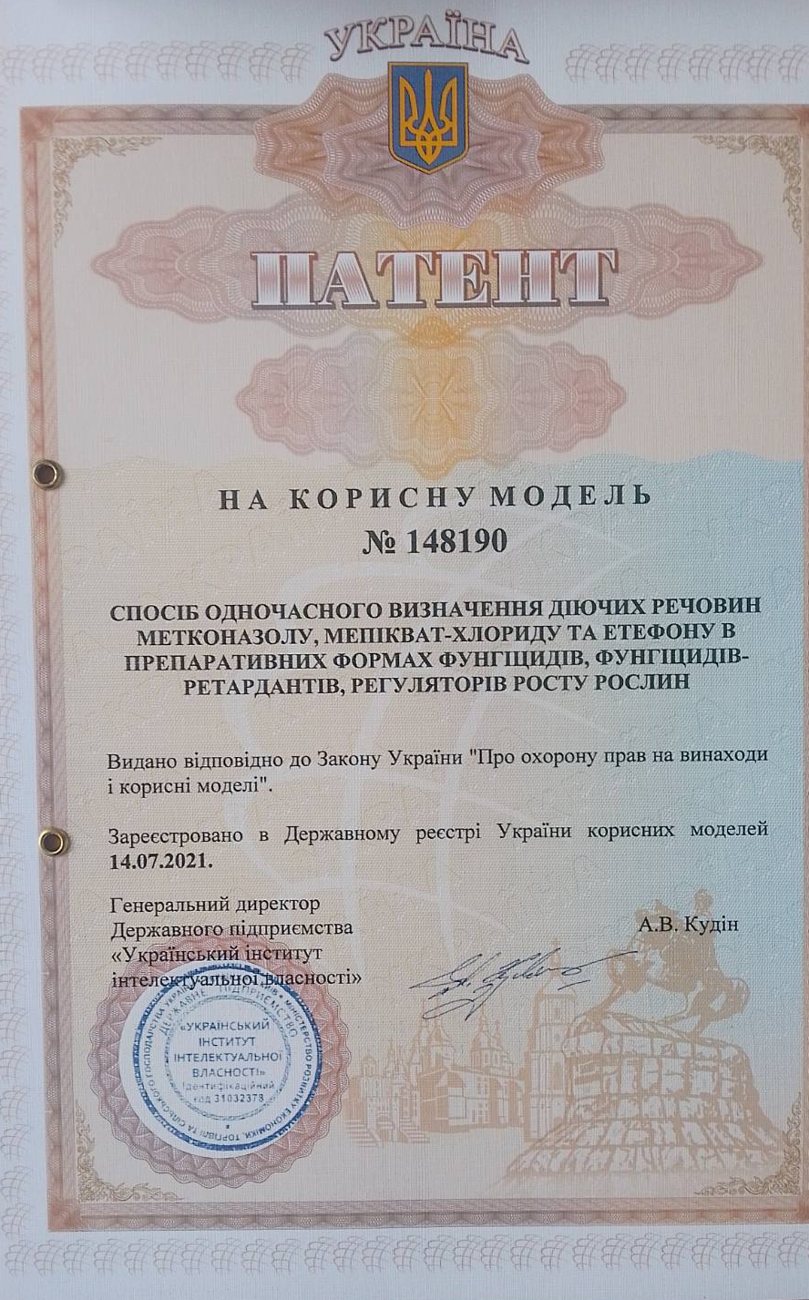
- Method for the simultaneous determination of active substances metconazole, mepiquat chloride, and ethephon in formulations of fungicides, fungicide-retardants, and plant growth regulators (Utility Model Patent No. 148190).
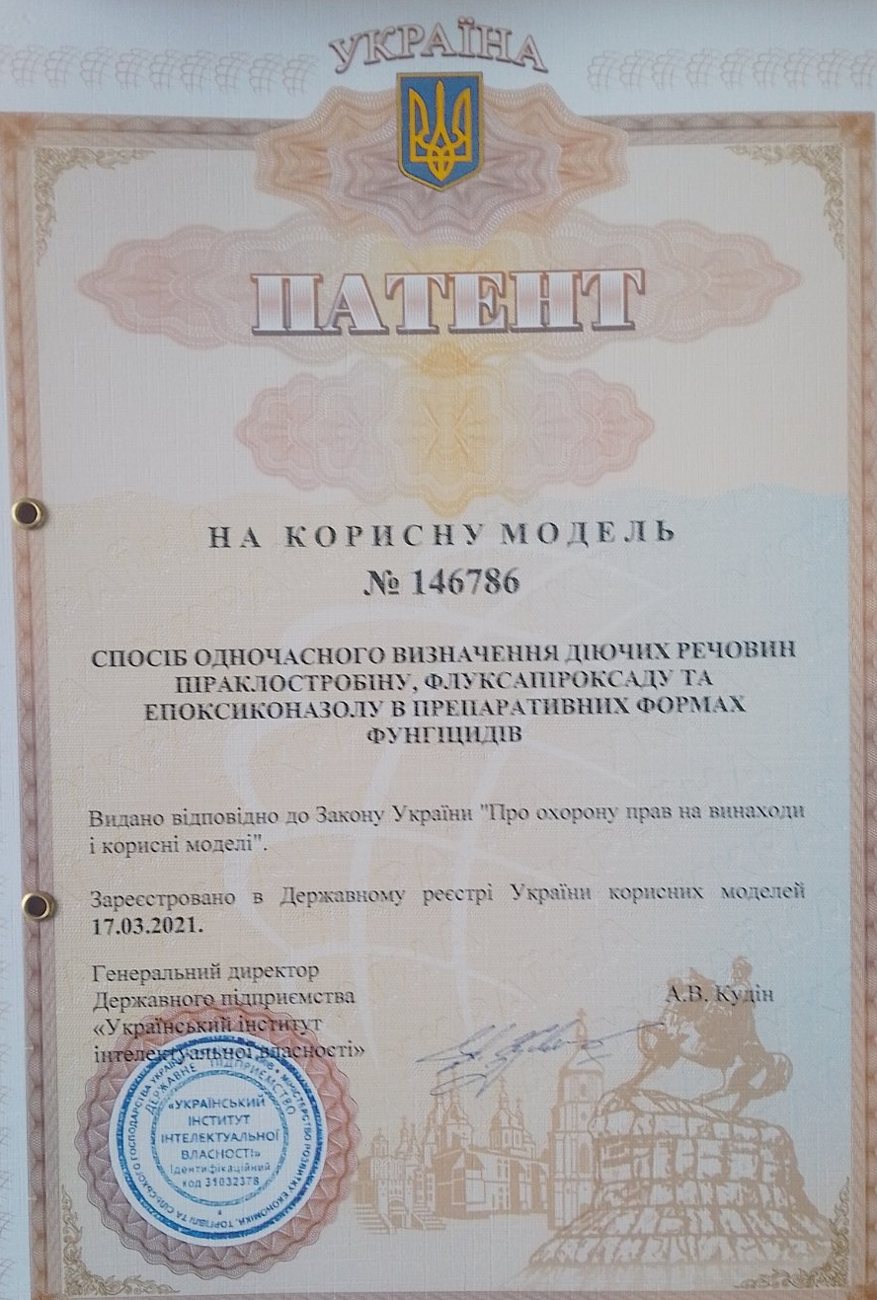
- Method for the simultaneous determination of active substances pyraclostrobin, fluxapyroxad, and epoxiconazole in fungicide formulations (Utility Model Patent No. 146786).
- Method for the determination of active substances of the sulfonylurea class: nicosulfuron and rimsulfuron in herbicide formulations (Utility Model Patent No. 143990).
- Method for the determination of prothioconazole and metalaxyl, the active substances of Redigo M 120 FS, TH, in treated corn seeds (Utility Model Patent No. 127193).
- Method for the determination of active substances of the imidazolinone class: imazapyr and imazamox in herbicide formulations (Utility Model Patent No. 120888).
- Method for the determination of clothianidin and penflufen, the active substances of Emesto Quantum, 273.5 FS, TH, in treated potato seed tubers (Utility Model Patent No. 121967).
- Method for the determination of imidacloprid, clothianidin, prothioconazole, and tebuconazole, the active substances of Yunta Quadro 373.4 FS, in treated wheat and barley seeds (Utility Model Patent No. 113301).
- Method for the determination of flutriafol and thiabendazole, the active substances of Vincit 050 CS, SC, in treated cereal seeds (wheat, barley, rye, oats, rice) (Utility Model Patent No. 109851).
- Method for the determination of clothianidin and beta-cyfluthrin, the active substances of Modesto 480 FS, Elado 480 FS, and Poncho Beta 453.3 FS, in treated rapeseed and sugar beet seeds (Invention Patent No. 108513).
- Method for the determination of prothioconazole and tebuconazole, the active substances of the seed treatment product Lamardor 400FS, FS, in treated soybean and lupine seeds (Invention Patent No. 101876).
- Method for the determination of the active substances of Prestige 290FS, FS, which are imidacloprid and pencycuron, in treated potato seed tubers (Invention Patent No. 101875).
- Method for the determination of thiamethoxam, bifenthrin, hymexazol, and thiram, the active substances of seed treatment products Cruiser 350 FS, FS, Semaphore 20ST, FS, Tachigaren, WP, and Royalflo, FS (Invention Patent No. 88947).
- Method for the determination of the active substances of the seed treatment product Chinook 20% FS, which are imidacloprid and beta-cyfluthrin, in treated rapeseed seeds (Invention Patent No. 79115).
- Method for determining the dipole moment of polar chlorine-containing organic compounds (Invention Patent No. 67956 A).
- Method for the determination of the active substances of Cross herbicide, which are chlorsulfuron and chlorsulfoxim (Invention Patent No. 60778 A).
More than 40 methodical guidelines for the determination of pesticides in plants, soil, and water have been developed (approved by the Ministry of Ecology and Natural Resources of Ukraine).
Practical Services (on a Contract Basis)
Using the relevant methodological framework and patents:
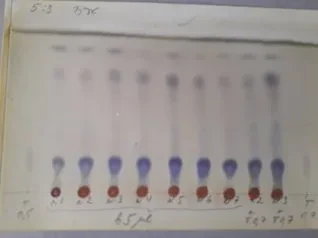
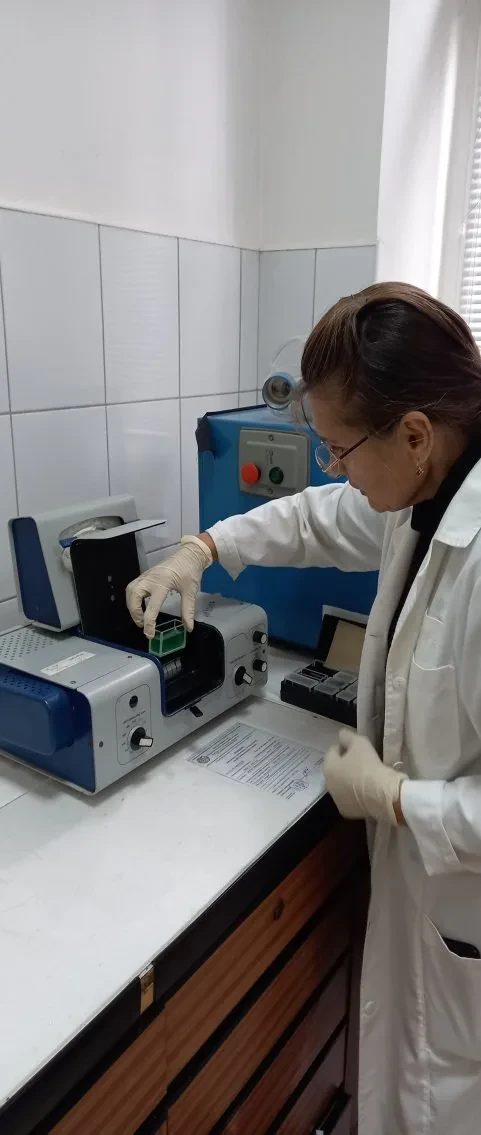
- determination of active substance content in pesticide formulations;
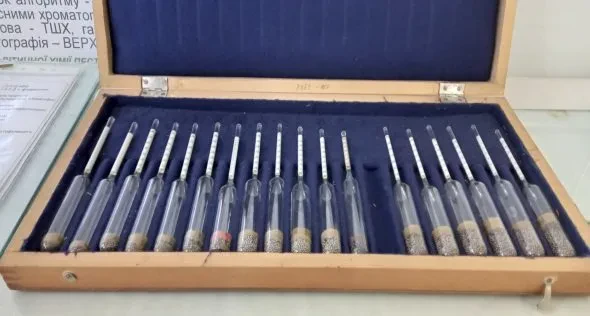
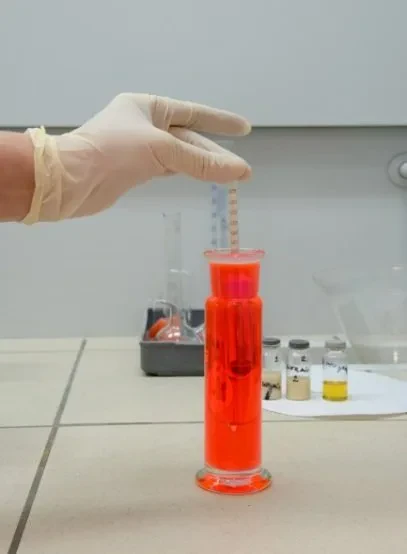
- determination of plant protection product density;
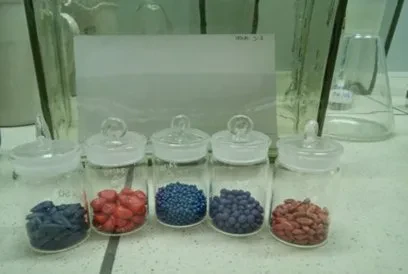
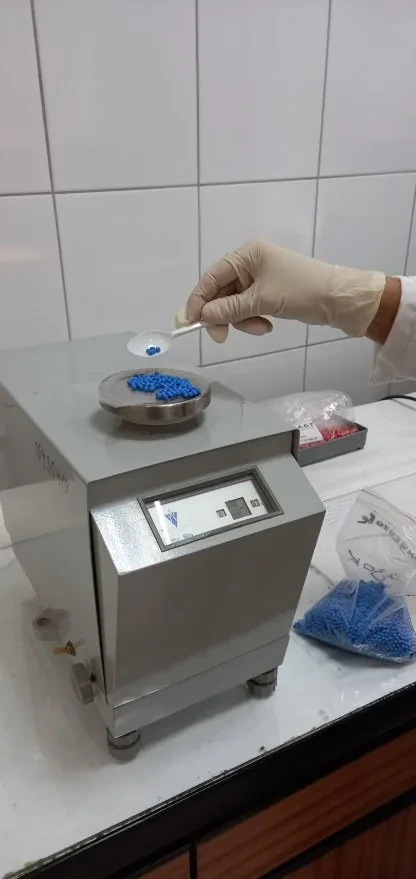
- determination of active substance content in treated agricultural seed material (completeness of seed treatment).
Pesticide Toxicology
Head – Olha H. Vlasova, Leading Researcher, PhD in Agricultural Sciences, e-mail: vlasova_olga@meta.ua
- theoretical substantiation for the development and improvement of the insecticide assortment in order to increase efficiency and environmental safety, as well as to prevent the formation of resistant populations of major agricultural pests;
- substantiation of scientific principles for the rational application of pesticides in integrated plant protection systems;
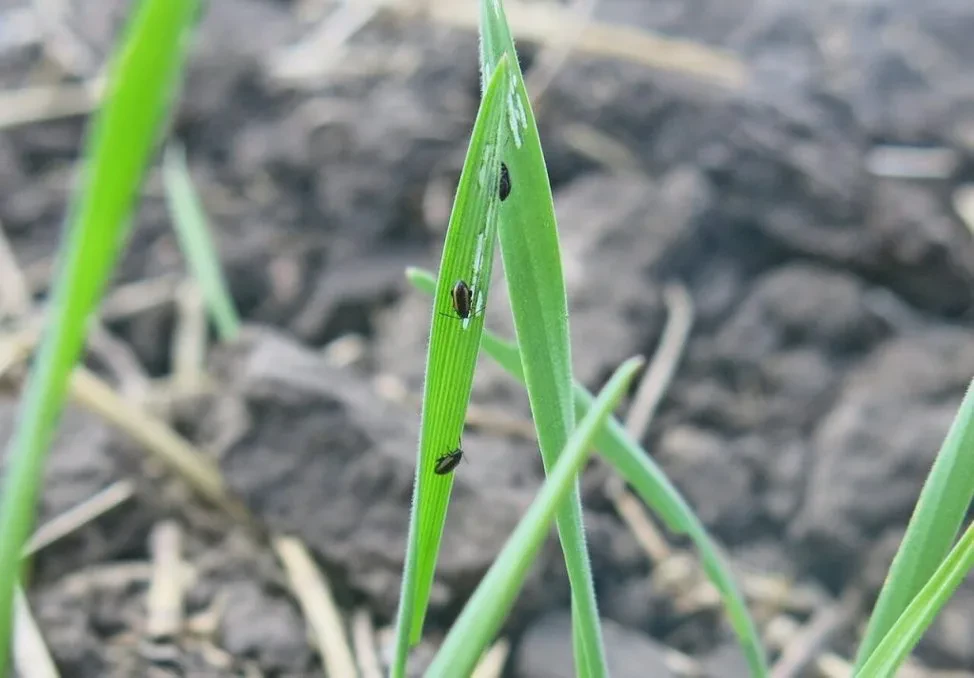
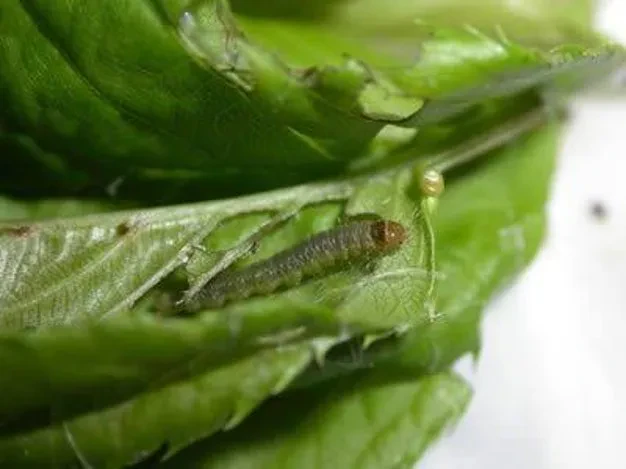
- monitoring of the sensitivity of natural populations of major potato and cereal pests to insecticides, and studying the insecto-acaricidal resistance of harmful and beneficial arthropod species;
- study of the biological and physiological effects and after-effects of new insecticide formulations on harmful insect species under simultaneous and sequential application of toxicants.
Scientific Developments
- methodology for improving the study of resistant populations of harmful arthropods;
- methodological guidelines for determining the sensitivity of phytophages to insecto-acaricides;
- methodological guidelines for determining the mechanism of resistance formation in populations of harmful arthropods;
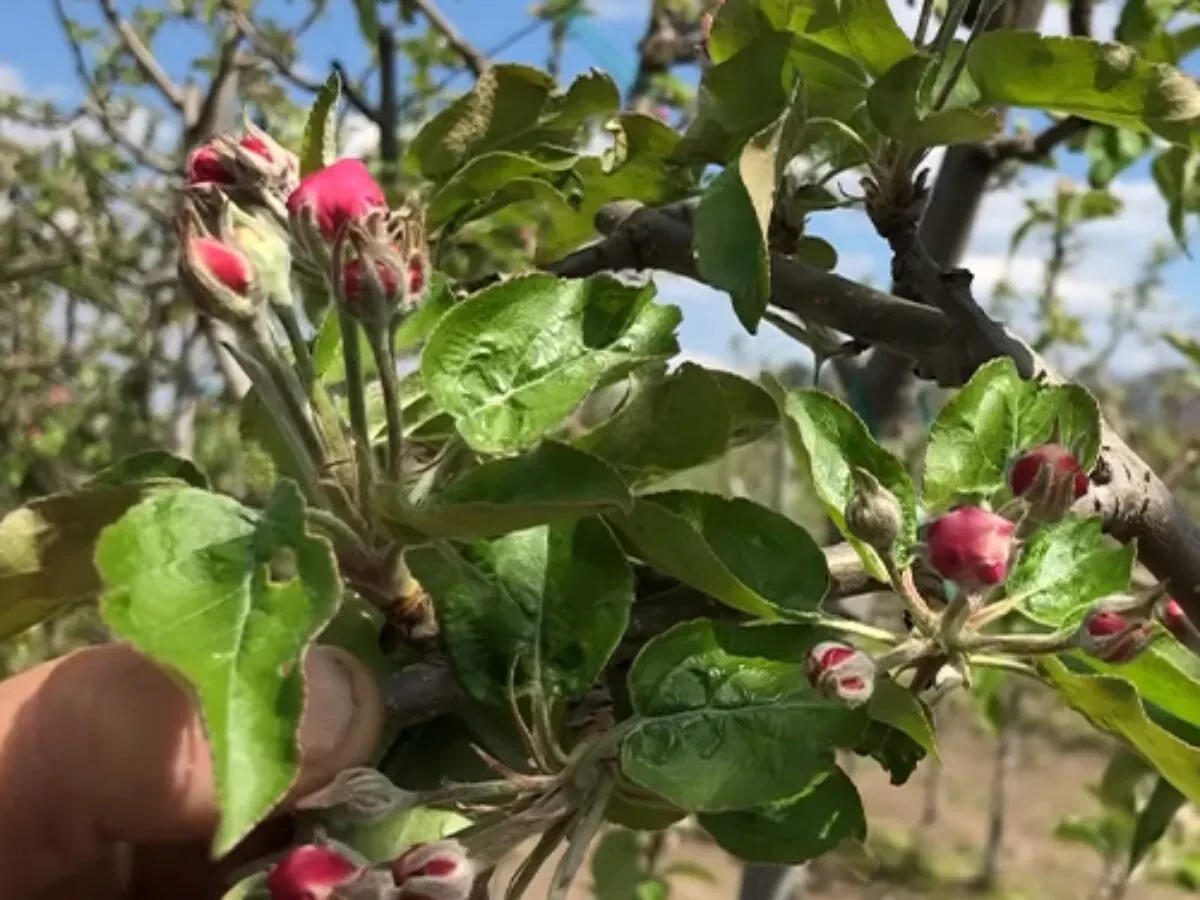
- system of chemical protection of fruit crops against pests and diseases; pesticide application regulations;
- anti-resistance methodology for plant protection systems against harmful arthropods;
- study of the toxic effects of insecticides on the honey bee: methodological guidelines;
- determination of pesticide toxicity indicators using probit analysis;
- database of factors influencing insecticide toxicity;
- pesticide application regulations;
- methodology for the combined application of pesticide mixtures;
- methodology for detecting the selective action of insecticides in the phytophage-entomophage system;
- scientific and methodological recommendations for improving the system of chemical protection of agricultural crops against pests.
Practical Services
- identification and establishment of the species composition of the entomocomplex in agrocenoses of cereals, potatoes, rapeseed, soybeans, and orchards during the vegetation period;
- monitoring the population dynamics of dangerous phytophage species during critical periods to determine the need for crop protection measures;
- identification of dominant phytophage species in various agrocenoses and recommendations for protection systems using insecto-acaricides in accordance with the current List of Pesticides;
- implementation of improved systems of chemical protection for cereals, potatoes, rapeseed, soybeans, and orchards;
- recommendations for preventing the formation of harmful phytophage populations resistant to insecto-acaricides.
Contacts
How to reach us.
Head
Olesia Tsurkan, Head of Laboratory, Candidate of Agricultural Sciences
Phone
+38 (098) 115-23-01
E-mail
lac_ipp@ukr.net
Location
33 Vasylkivska St., Kyiv, 03022